Agricultural biocontrol
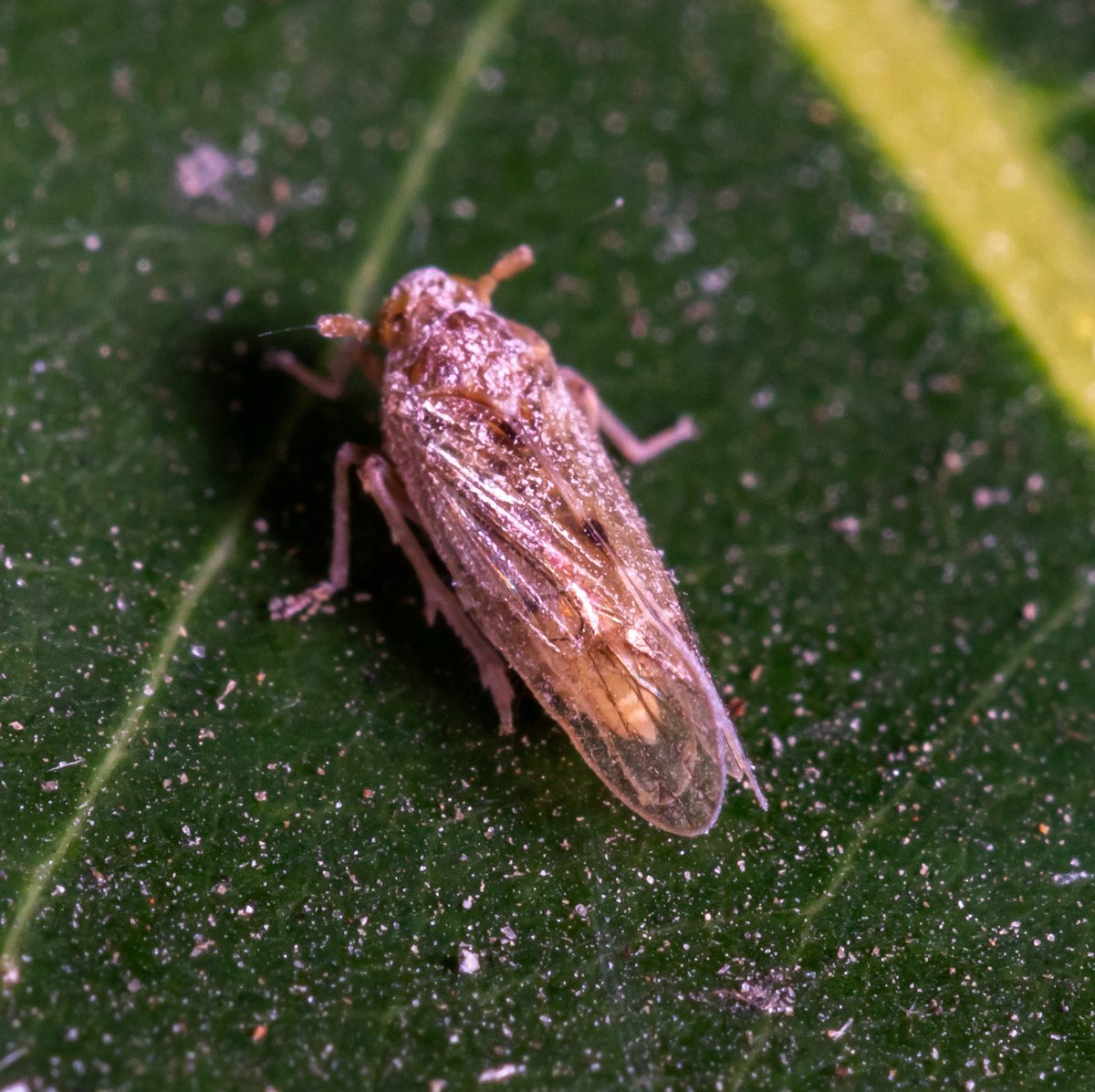
The brown planthopper is the most destructive insect pest of rice in Asia. Our science team showed, for the first time, that Wolbachia can take hold in it and block the viruses it spreads to crops.
The pest
Nilaparvata lugens damages rice in two ways. It feeds directly on the plant and at high densities causes hopperburn, where whole stands wilt and collapse. It also transmits Rice ragged stunt virus (RRSV) and Rice grassy stunt virus (RGSV), two diseases that can devastate a harvest.
Control has historically relied almost entirely on synthetic insecticides. That strategy is increasingly undermined by widespread pesticide resistance, leaving farmers with fewer effective tools each season.
It is precisely the kind of problem Wolbachia biocontrol is suited to: a sap-feeding insect that multiplies rapidly and carries plant pathogens, where suppressing the population and blocking the virus matter equally.
Published evidence
Stable Wolbachia introduction into a hemipteran crop pest, a result not previously achieved.
Strain used. Showed high cytoplasmic incompatibility and drove rapid invasion through laboratory populations over successive generations.
Viruses spread by the pest. wStri inhibited Rice ragged stunt virus (RRSV) infection and transmission, and mitigated virus-induced symptoms in the rice plants themselves.
Current Biology · 2020 · doi.org/10.1016/j.cub.2020.09.033 ↗
A scientific first
The study showed that a Wolbachia strain (wStri) could be stably introduced into the brown planthopper, where it behaved exactly as the principle predicts, and went further by protecting the plant itself.
"...the first novel stable artificial Wolbachia infection of a hemipteran insect, N. lugens. Importantly, this novel Wolbachia infection... has characteristics suitable for pest and disease control."
Current Biology · 2020 · doi.org/10.1016/j.cub.2020.09.033 ↗
The three outcomes
What this means
The same two effects that make Wolbachia valuable against mosquitoes appear here together: incompatibility that can suppress or replace a population, and pathogen blocking that interrupts transmission.
What is new is the host and the target. The pathogen being blocked is not a human disease but a plant virus, and the beneficiary is the rice crop. It is the first demonstration of Wolbachia-mediated plant-virus inhibition in a rice pest.
Where this goes
Stage of work
This is early-stage research. The results above are peer-reviewed laboratory findings, and we would design any programme alongside agricultural and regulatory authorities.
The same rearing infrastructure, strain science, and quality control behind our mosquito programmes provides a meaningful head start for this new target.
Next steps
Replicate invasion and virus-inhibition results in contained glasshouse conditions on rice plants under realistic pest pressure.
Work with ministries of agriculture and rice-research institutes to assess feasibility, biosafety, and fit within integrated pest management.
Rearing, strain science, and quality control draw on the same infrastructure behind our mosquito programmes, a head start for a new target species.
Food security
We work with ministries of agriculture and research institutes to assess feasibility and design programmes suited to their context.